Introduction
Use this guide to replace the screen in your Kobo Libra Colour (model N428B) eReader.
Important: There are two Libra Colour versions: N428 and N428B. Check your eReader's model number (printed on the edge of the device with the USB‑C port) before starting this guide. This guide is for the N428B model.
If your screen is cracked, unresponsive, or not lighting up, you may need to replace it.
The screen part comes with the display pre‑installed into the frame, so you'll need to transfer all the internals from your old device into the new screen.
Following this guide will remove your eReader's IP (Ingress Protection) rating, making it susceptible to water damage.
If your battery is swollen, take appropriate precautions.
After this repair, follow this guide to calibrate your eReader to your replacement screen. If you don't, you might experience "ghosting" or visual artifacts of the E ink.
Kobo supports their eReaders with a warranty. If your device is still under warranty, Kobo may be able to help. Before starting a repair, review your warranty information or check support documentation.
Note: Some photos used in this guide are of different Kobo Libra models. Any slight visual discrepancies won't affect the guide procedure.
What you need
-
-
-
Unplug all cables and fully shut down your eReader.
-
Your screen should be black and say Powered off.
 Ask FixBot
-
-
-
-
-
Flip your eReader over so the screen is facing down.
-
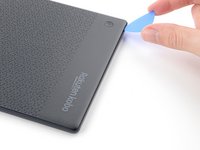
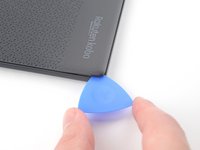
Angle an opening pick straight down, and insert its tip under the top right corner of the back cover, near the power button.
-
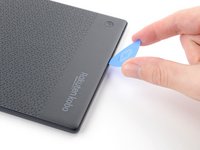
Push downward and pry up with the pick until you feel it slide between one of the clips and the frame.
-
-
-
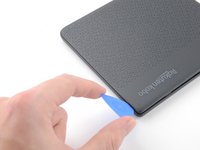
Slide the pick toward the bottom right corner to release the clips along the right edge.
-
-
-
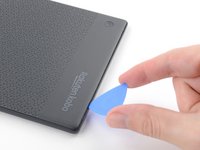
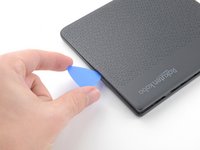
Angle the pick flat under the back cover and rotate it around the bottom right corner to release its clips.
-
-
-
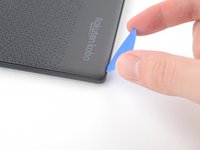
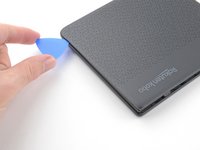
Slide the pick toward the bottom left corner to release the clips along the bottom edge.
-
-
-
Grip the right edge of the back cover and lift it away from the eReader to release the remaining clips.
-
Remove the back cover.
-
-
-
-
-
The coating is brittle and can flake into many small pieces. Heating the coating helps, but working with it is still a time-consuming process.
-
Depending on your repair, you might have to remove the coating from ZIF connectors and their cables.
-
-
-
Use a spudger to pry up and disconnect the battery press connector.
-
-
-
-
-
Heat an iOpener and lay it on the power button ZIF connector (near the top right corner of the motherboard) for 90 seconds to soften the coating.
-
-
-
Use the tip of a spudger and pointed tweezers to scrape and remove the coating from the ZIF connector's locking tab and cable.
-
-
-
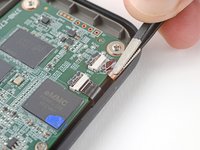
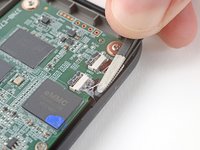
Use the tip of a spudger to lift up the locking tab on the power button ZIF connector.
-
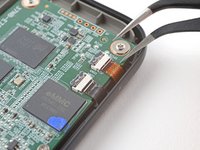
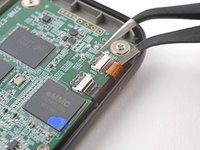
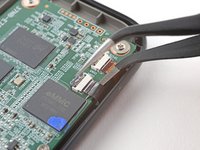
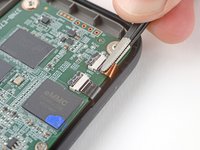
Use angled tweezers to push the cable fully out of its socket, pushing on the small "arms" near the head of the cable.
-
-
-
-
-
Lay a heated iOpener on the power button and its cable for 90 seconds to soften the adhesive.
-
-
-
Carefully slide an opening pick under the cable and power button to separate the adhesive.
-
-
-
Remove the power button.
-
Use a spudger to remove any remnants of the power button adhesive from the frame.
-
Use high‑concentration (>90%) isopropyl alcohol and a lint‑free cloth (or coffee filters) to clean up any adhesive residue.
-
If your power button comes with adhesive pre‑installed, remove the liners. If it doesn't, apply thin, double‑sided tape to the frame where the old adhesive was.
-
Align the power button's cutouts with their pegs on the frame and push the button into place to secure it.
-
Don't secure the cable with adhesive just yet. Wait until after you've reconnected the cable to ensure it will reach the socket.
-
-
-
-
-
-
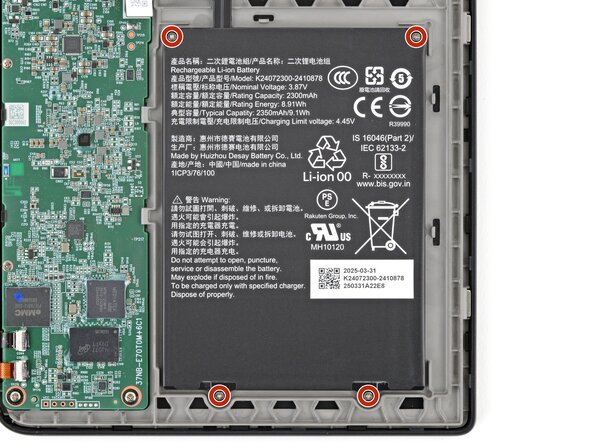
Use a Phillips screwdriver to remove the four 2.1 mm‑long screws securing the battery.
-
-
-
Use your fingers to lift and remove the battery.
-
If you're transferring the battery to a new screen, inspect the battery for any dents or deformations.
-
-
-
-
-
Heat an iOpener and lay it on the digitizer cable ZIF connectors for 90 seconds to soften the coating.
-
-
Tool used on this step:Tweezers$4.99
-
Use the tip of a spudger to scrape the coating along the ZIF connectors' black locking tabs—enough so you can grab clumps of it with pointed tweezers.
-
Use pointed tweezers to peel off the coating around the black locking tabs and their hinges on the ZIF connector.
-
-
-
Use the point of a spudger to lift up the locking tabs on the ZIF connectors.
-
-
-
Apply a heated iOpener to the digitizer cable ZIF connectors for 90 seconds to soften the coating.
-
-
-
Slide one arm of a pair of pointed tweezers underneath the cables to separate the coating securing them to the motherboard.
-
-
-
Use blunt nose tweezers to pull the cables away from their ZIF connectors slowly and steadily at a level angle to separate the coating.
-
Keep pulling on the cables until they're completely disconnected.
-
Inspect the ends of the cables and the ZIF connectors for any remaining coating that could prevent a good connection.
-
Peel off the coating, heating the cable and the ZIF connectors when the coating becomes too brittle.
-
-
-
Apply a heated iOpener to the display cable ZIF connector for 90 seconds to soften the coating.
-
-
-
Use the tip of a spudger to scrape the coating along the ZIF connector's black locking tab—enough so you can grab clumps of it with pointed tweezers.
-
-
-
Use pointed tweezers to peel off the coating around the locking tab and its hinge on the ZIF connector.
-
-
-
Use the flat end of a spudger to gently pry along the length of the locking tab to separate any remaining coating.
-
-
-
Insert the flat end of a spudger under the middle of the locking tab and lift to unlock it.
-
-
-
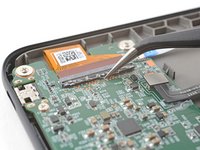
Use blunt nose tweezers to grip the corner of the display cable closest to the charging port.
-
Pull the cable away from the ZIF connector slowly and steadily at a level angle to separate the coating at the corner.
-
-
-
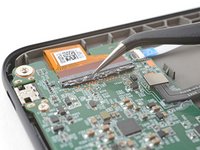
Repeat the previous step for the other corner until the entire cable is disconnected.
-
Lift up the cable and peel off any remaining coating holding it to the motherboard.
-
Inspect the ends of the cable and the ZIF connectors for any remaining coating that could prevent a good connection.
-
Peel off the coating, heating the cable and the ZIF connector when the coating becomes too brittle.
-
-
-
-
-
Use a Phillips screwdriver to remove the seven screws securing the motherboard:
-
Four 2.4 mm‑long screws
-
Three 3.9 mm‑long screws
-
-
-
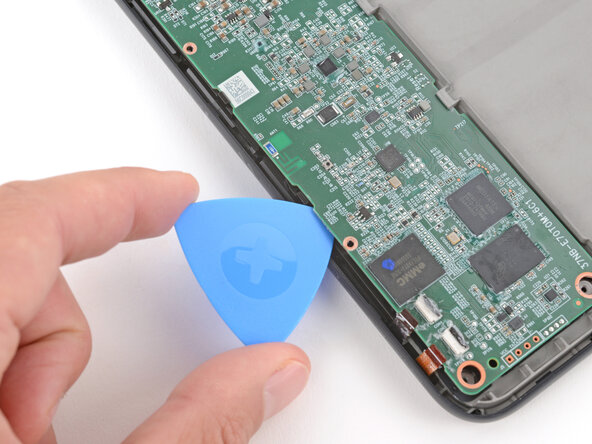
Insert the tip of an opening pick betwen the motherboard and the plastic buffer beneath it, near one of the plastic clips on the outer edge.
-
Gently twist the pick to release the clip.
-
Repeat the process to release the other plastic clip.
-
-
-
Grip the outer corners of the motherboard with your fingers and slide the board over the left edge to remove it.
-
Slide the board into place so the inner edge (opposite the USB‑C port) goes under the two metal tabs.
-
Lower the board into its recess, making sure no cables get stuck under the board. Ensure the corner screw holes go over their alignment posts.
-
-
-
Apply a heated iOpener to the plastic motherboard buffer for 90 seconds to soften the adhesive securing it to the frame.
-
-
-
Grip one end of the motherboard buffer and peel it away from the frame to separate the adhesive.
-
-
-
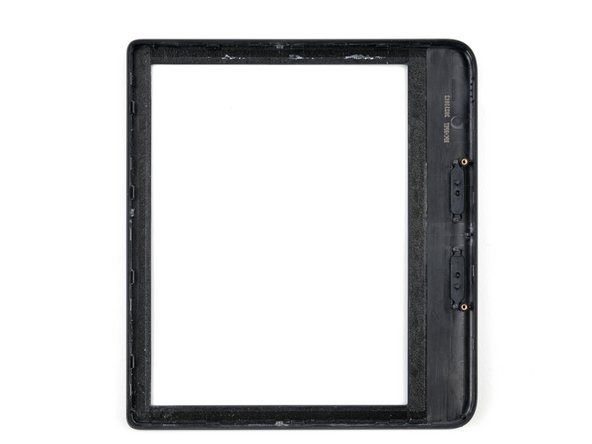
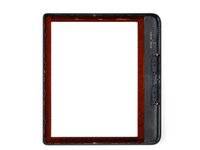
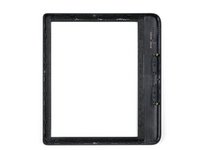
The front cover is secured with clips and adhesive.
-
Flip your eReader over so the screen is facing up.
-
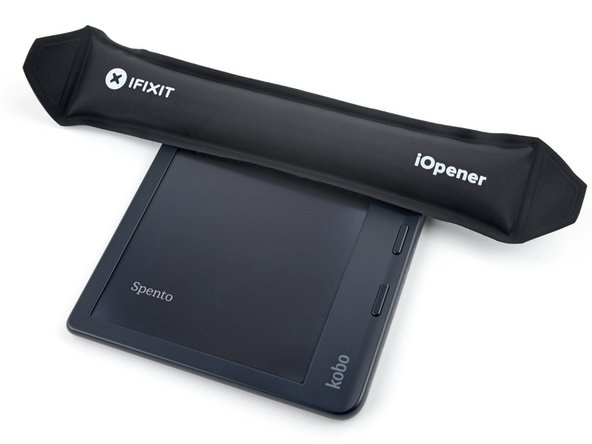
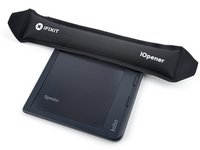
Apply a heated iOpener and lay it on the top edge of the front cover for 90 seconds to soften the adhesive underneath.
-
-
-
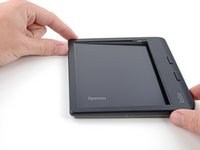
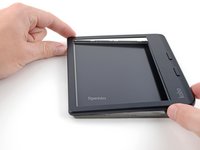
Hold the eReader so your thumbs can push the underside of the front cover off its clips while your other fingers can pull the screen in the opposite direction.
-
Push the top left corner of the front cover while pulling the screen in the opposite direction to release the clips and separate the adhesive.
-
-
-
While keeping the corner of the front cover separated with one hand, use your other hand to peel the left edge of the front cover off the frame.
-
-
-
Continue working around the perimeter of the front cover until all of the clips release and the adhesive is completely separated.
-
-
Tool used on this step:Tesa 61395 Tape$2.95
-
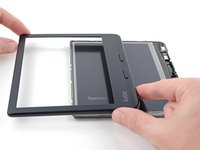
Lift the front cover off the frame and remove it.
-
-
-
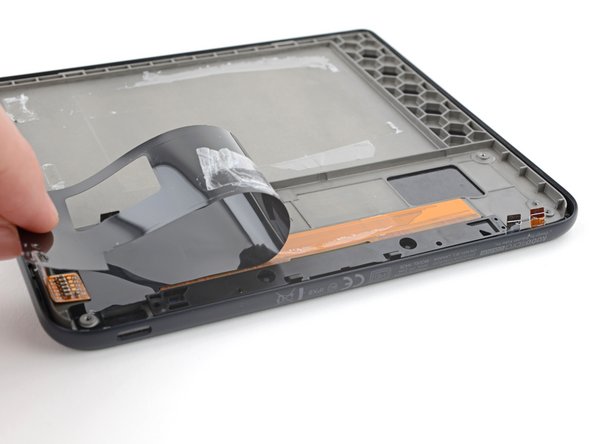
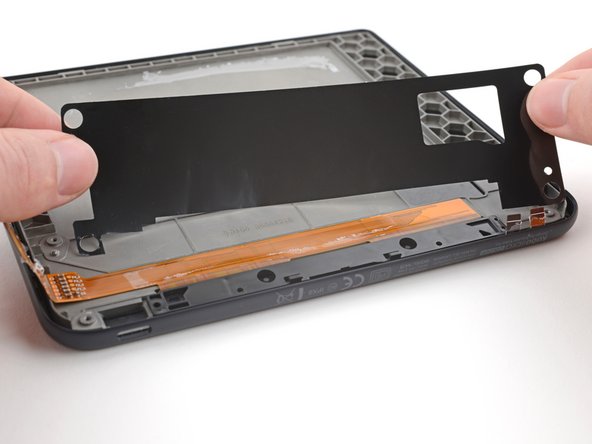
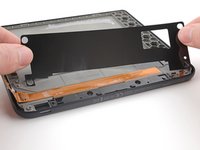
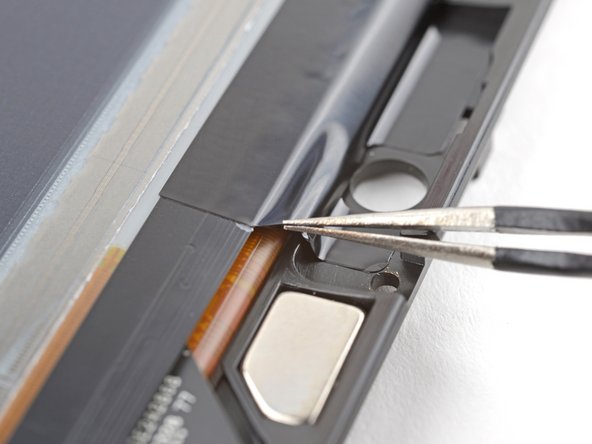
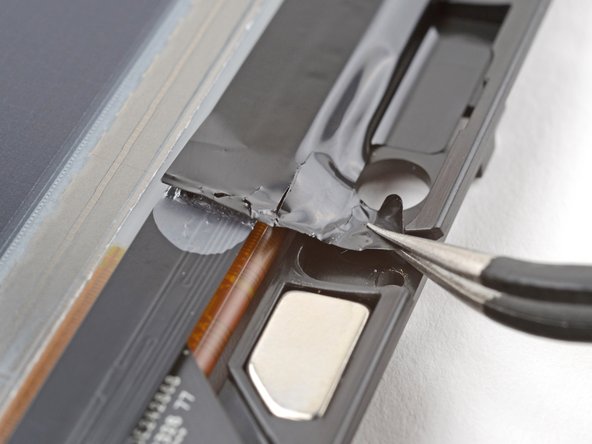
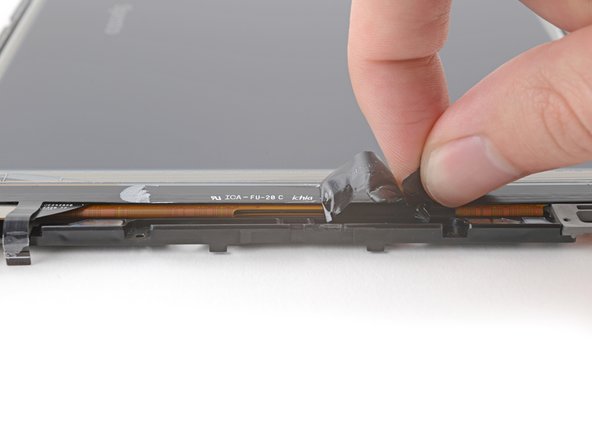
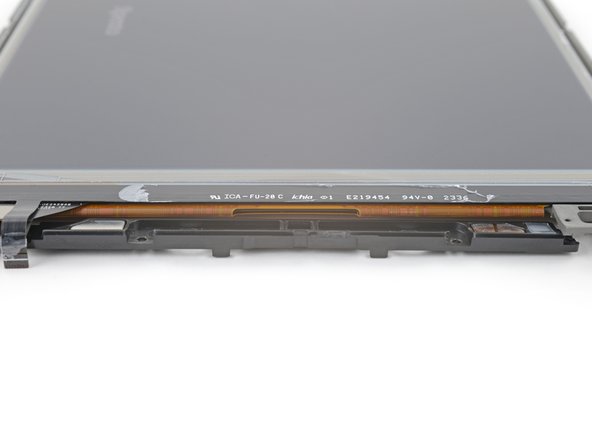
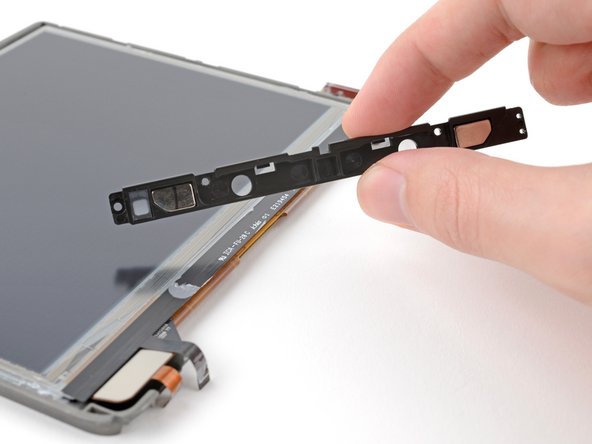
Use tweezers to peel up the light sealing tape along the right edge of the screen enough to grip it with your fingers.
-
-
-
Remove the button board from the screen.
-
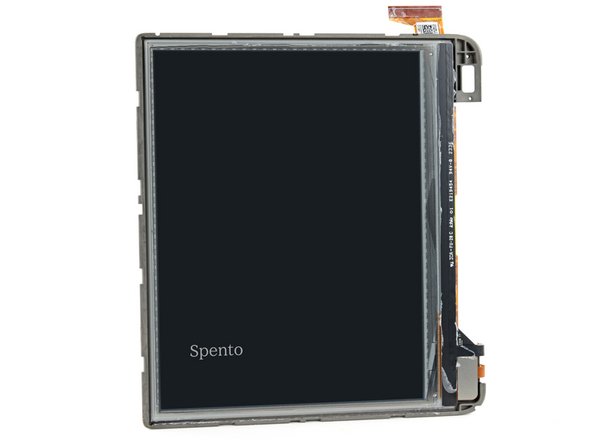
You've now disassembled your eReader enough to transfer the internals to your new screen.
-
Before you reinstall your front cover, follow this guide to transfer your motherboard, motherboard buffer, and button bracket to your new screen.
-
Follow this guide to calibrate your new screen.
-
-

























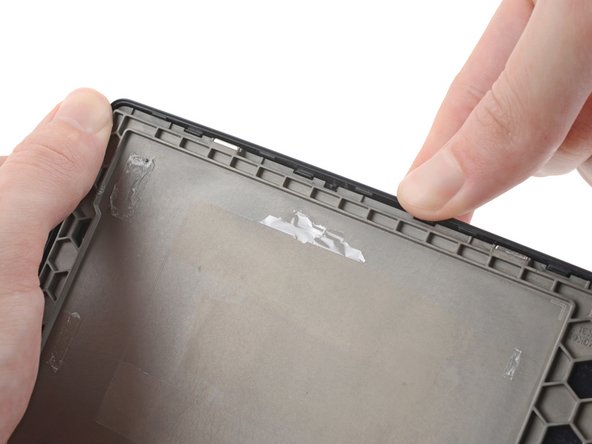

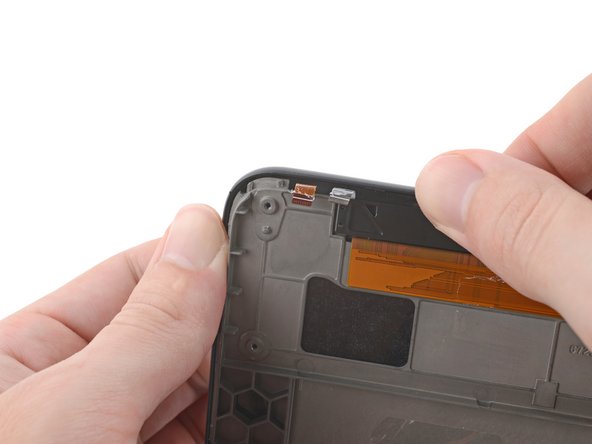
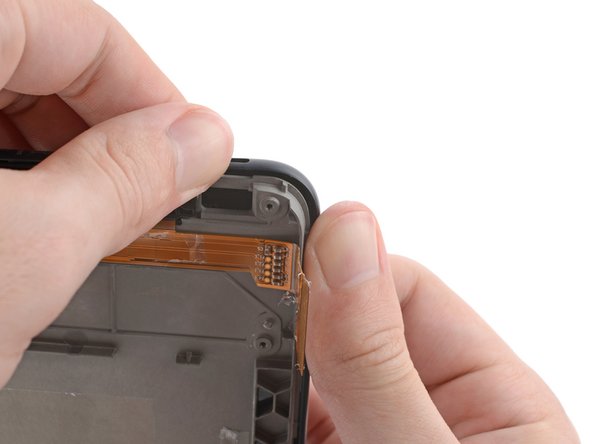







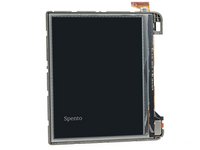
To reassemble your device, follow these instructions in reverse order.
Remember: after repairs, your eReader is no longer IPX8 waterproof.
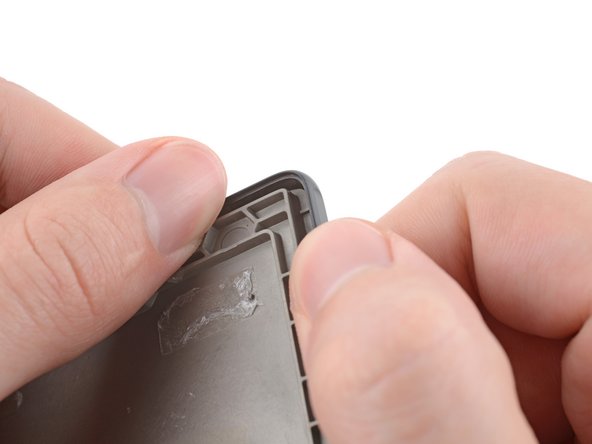
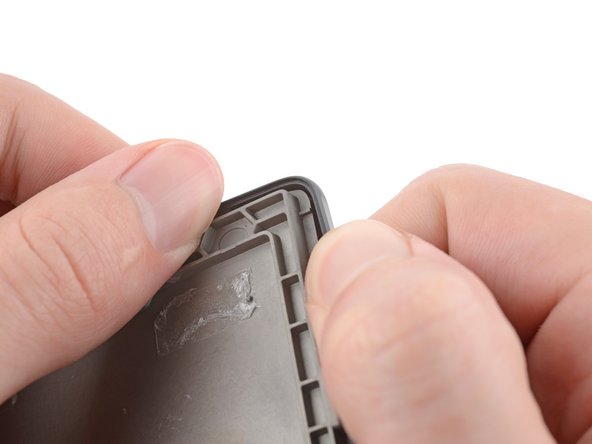
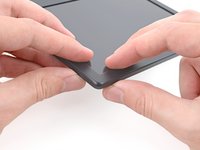
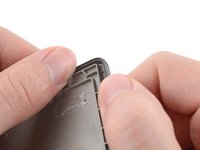
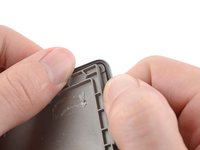
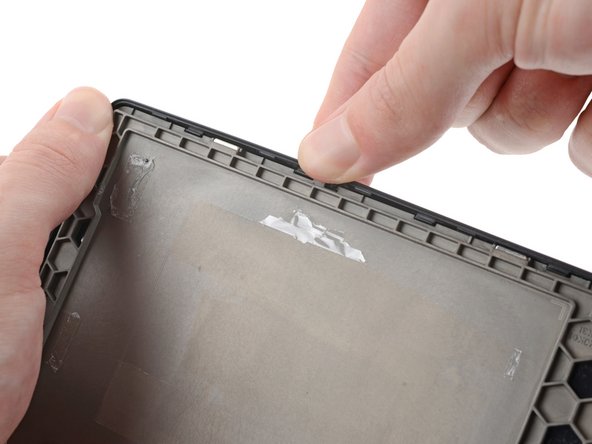
Compare your new replacement part to the original part—you may need to transfer remaining components or remove adhesive backings from the new part before you install it.
Make sure each of your device's main functions still work, e.g., LED backlight, touch, page-turn buttons, Wi-Fi, etc.
Take your e-waste to an R2 or e-Stewards certified recycler.
Repair didn’t go as planned? Try some basic troubleshooting, or ask our Answers Community for help.
Cancel: I did not complete this guide.
One other person completed this guide.

4 Guide Comments
La tâche est quand même exigeante. On annonce 1-2 heures de travail. Ça m'a pris plus de 3 heures. J'ai quelques critiques:
-Certaines étapes sont inutiles. Par exemple, les étapes 9 à 17 sont inutiles: on peut fort bien retirer le circuit imprimé du bouton de marche arrêt sans déconnecter le connecteur ZIF. Même chose à l'autre extémité: on peut retirer la carte mère sans déconnecter l'autre extrémité du ZIF. On réduira d'autant le nombre de manipulation qui risquent de briser ces composantes fragiles.
-On doit décoller la batterie de la carte écran. À cette fin, on doit utiliser de l'alcool isopropyl, qui n'est pas fournie dans le kit. Il serait bon d'aviser l'utilisateur qu'il doit en avoir à portée de main lors de la manipulation.
-L'ancienne carte écran portait des bandes adhsives sur son verso, pour fixer la batterie. La nouvelle carte n'en porte pas. Ma batterie n'adhère donc pas à la nouvelle carte.
Dans l'ensemble, je suis content. J'ai réussi, ma liseuse est maintenant fonctionnelle.
@daniell3246 Did you used N428 screen replacement from ifixit?
I just replaced the screen, but now everything is in black and white. I've lost all color. Did I miss a step during the installation?
